
10 เทคนิคระดับโปร! เปิดกรุ Prompt ลับที่วิศวกร Google ขาดไม่ได้ในการทำงาน
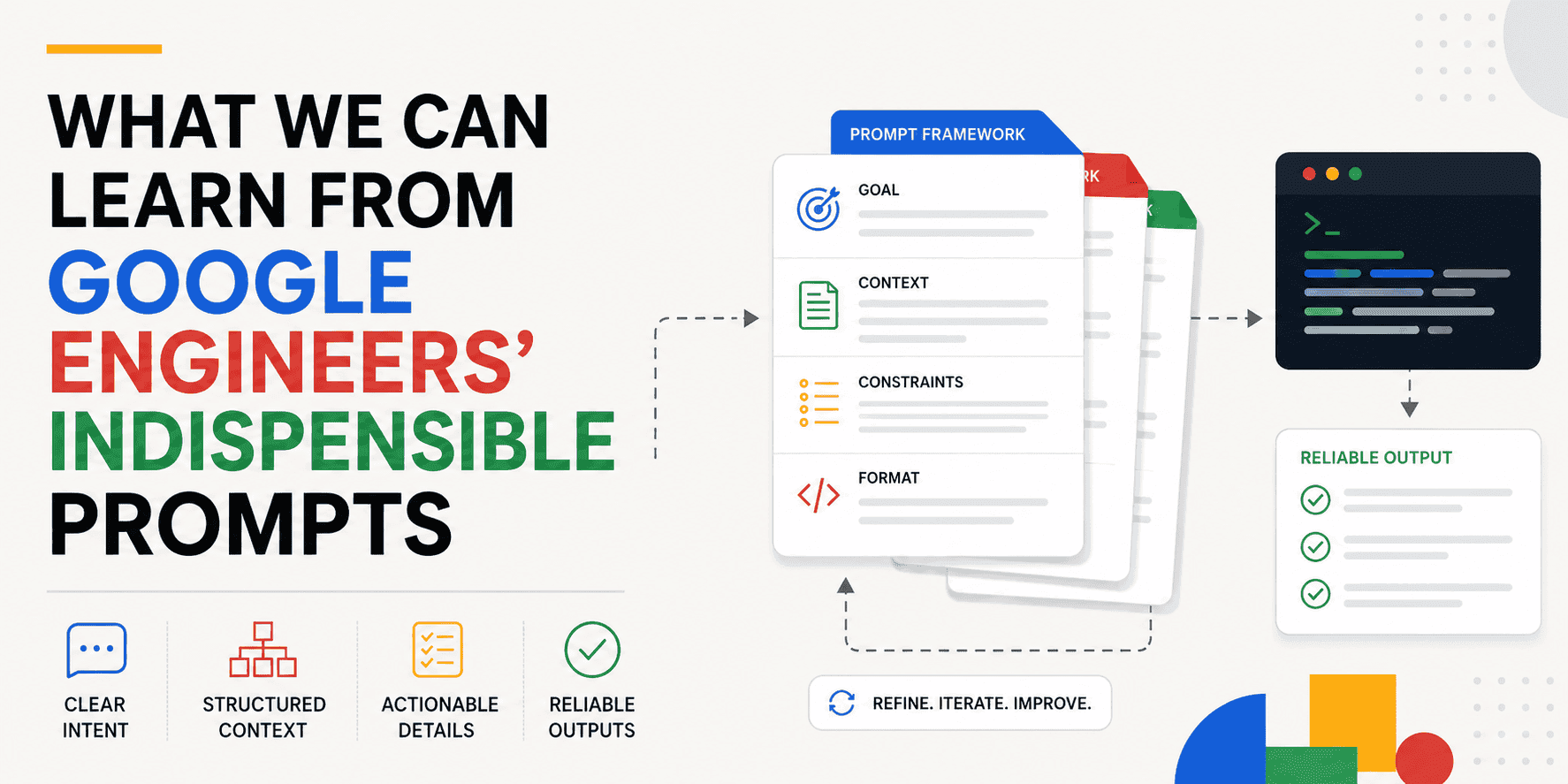
ประวัติการใช้งาน Prompt ของคนส่วนใหญ่มักจะดูเหมือนลิ้นชักเก็บของจิปาถะ มีทั้งคำขอให้ช่วยอธิบาย error message เพียงครั้งเดียว, คำสั่งสั้นๆ ว่า "clean this up" หรือ generator โค้ดมาตรฐานที่ใช้ครั้งเดียวแล้วก็ลืมไป ในเดือนมิถุนายน 2026 Google Cloud's developer relations team ได้เผยแพร่สิ่งที่แตกต่างออกไป
พวกเขาถามคำถามเฉพาะเจาะจงข้อหนึ่งกับวิศวกรและผู้นำของตนเอง 10 คนว่า: Prompt ไหนที่คุณขาดไม่ได้ในการทำงาน และเพราะอะไร? สิ่งที่ได้ตอบกลับมาไม่ใช่แค่รายการคำพูดที่สละสลวย แต่มันคือวิศวกร 10 คนที่เข้าถึงแก่นสำคัญเดียวกันโดยไม่ได้นัดหมาย นั่นคือการใช้ AI เป็น "ความเห็นที่สองในเชิงโต้แย้ง" (adversarial second opinion) มากกว่าจะเป็นผู้ช่วยที่คอยเออออตามเรา
ความแตกต่างดังกล่าวคือหัวใจสำคัญของบทความนี้ ด้านล่างนี้คือ 10 เทคนิคที่ดึงมาจากบทความนั้น แต่ละเทคนิคจะได้รับการอธิบาย ระบุชื่อวิศวกรผู้แชร์ และสร้างขึ้นใหม่เป็นตัวอย่าง Prompt จริงที่คุณสามารถนำไปใช้ได้ เพื่อให้เห็นรูปแบบการทำงานเดียวกัน ทุกตัวอย่างจะประยุกต์ใช้กับโปรเจกต์เดียวกันคือ REST API สำหรับระบบติดตามงานขนาดเล็ก (task-tracker) เพื่อให้เทคนิคต่างๆ ต่อยอดกันไปแทนที่จะต้องเริ่มสมมติฐานใหม่ในทุกหัวข้อ
การสร้าง Spec ก่อนที่จะมีโค้ดใดๆ
Maja Bilić ซึ่งเป็น Senior Outbound Product Manager ที่ Google Cloud ไม่ได้เริ่มที่โค้ด แต่เธอเริ่มจากการทำให้ model โต้เถียงกับเธอ เทคนิคของเธอคือการกำหนดตัวตน (persona) ที่เฉพาะเจาะจงและช่างสงสัยให้กับ model (เช่น สถาปนิกหลักที่มองโลกในแง่ร้ายและ Technical PM) สั่งห้ามไม่ให้เขียนโค้ดอย่างเด็ดขาด และให้ระบุข้อควรพิจารณาทางเทคนิค, UX และสถาปัตยกรรมที่สำคัญสำหรับไอเดียนั้น ก่อนจะถามคำถามเจาะจงในแต่ละข้อ
เมื่อการโต้ตอบไปมาเสร็จสิ้น model จะเปลี่ยนคำตอบเหล่านั้นให้กลายเป็นเอกสารความต้องการ (requirements document) และแผนการดำเนินงานจริง โดยมีคำสั่งว่าอย่าออกแบบซับซ้อนเกินไป (over-engineer) หรือทำให้อะไรง่ายเกินไปจนละเลยรายละเอียด เนื่องจาก model ที่ถูกขอให้ช่วย "วางแผนฟีเจอร์" มักจะแค่เห็นด้วยกับกรอบความคิดแรกที่คุณให้ไป แต่ model ที่ถูกขอให้วิจารณ์จากมุมมองของคนที่ช่างสงสัย จะสร้างข้อโต้แย้งที่มีมูลค่าในการวางแผนอย่างแท้จริง
เมื่อประยุกต์ใช้กับระบบติดตามงาน:
Act as a skeptical principal architect reviewing a proposed feature, not
writing code yet. I want to add recurring tasks to a task-tracker API,
tasks that regenerate on a schedule (daily, weekly, custom RRULE).

Do not write any code. List the top 5 technical, data-model, and UX
considerations this feature raises. For each one, ask me the specific
questions you need answered before this could be built responsibly.
Once I've answered all of them, draft a short spec and implementation
plan. Don't over-engineer this for scale we don't have, and don't
oversimplify by ignoring timezone or edge-case handling.
การทำให้การทดสอบเป็นเรื่องที่ต่อรองไม่ได้
Andrew Brogdon ซึ่งเป็น Staff Developer Relations Engineer ใช้ Prompt ที่มองว่าการทดสอบเป็นสิ่งที่ต้องตรวจสอบ (audit) มากกว่าที่จะสร้างขึ้นมาเฉยๆ แทนที่จะขอให้สร้าง test โดยตรง รูปแบบของเขาคือการให้ model ตรวจสอบ codebase ก่อนเพื่อหาว่าส่วนไหนของ UI หรือ logic ที่ยังไม่ครอบคลุม ตัดสินว่าโค้ดเดิมเขียนมาในรูปแบบที่ทดสอบได้หรือไม่ และหลังจากนั้นจึงสร้างและรันแผนการทดสอบจริง เป็นการก้าวไปข้างหน้าอย่างมั่นใจทีละขั้นแทนที่จะรีบร้อนไปที่ผลลัพธ์
ข้อมูลเชิงลึกภายใต้แนวคิดนี้คือ การขอ test โดยตรงมักจะได้ test ในส่วนที่ทดสอบง่ายที่สุด ไม่ใช่สิ่งที่ต้องครอบคลุมจริงๆ การตรวจสอบความสามารถในการทดสอบ (testability) ก่อน จะช่วยปิดช่องว่างระหว่างคำว่า "ทดสอบแล้ว" กับ "ทดสอบมาอย่างดี"
เมื่อประยุกต์ใช้กับระบบติดตามงาน:
Partner with me on improving test coverage for this task-tracker API.
First, examine the codebase and identify which endpoints and business
logic aren't properly tested. Then assess whether the current code is
actually written in a testable way, are external calls injected or
hardcoded, is the scheduling logic isolated from the HTTP layer. Build
a prioritized testing plan based on what you find, tell me what's
already covered, then implement the missing tests. Don't skip ahead to
writing tests until you're confident in your assessment of what's
actually missing.
การรันกระบวนการทำความสะอาดแบบ 2 Prompt
Aja Hammerly ผู้อำนวยการฝ่าย Builder Relations รัน Prompt สองตัวแยกกันสั้นๆ ก่อนส่งโค้ดไป review โดยจงใจรันในหน้าแชทใหม่ที่ไม่มีบริบทค้างอยู่ ตัวแรกจะขอให้ model รัน test และตามล่าหา edge cases รวมถึง race conditions ส่วนตัวที่สองจะมองหาเศษซากเล็กๆ ที่น่าอาย เช่น โค้ดที่ไม่ได้ใช้, comment สำหรับ debug, หรือ TODO ที่ยังไม่ได้สะสาง ซึ่งมักสะสมตัวขึ้นในขณะที่คุณมุ่งความสนใจไปที่ส่วนหลักของฟีเจอร์
การแยก Prompt ออกเป็นสองส่วนมีผลมากกว่าที่คิด เพราะ Prompt กว้างๆ อันเดียวมักจะรวมทุกอย่างเข้าด้วยกันแบบคร่าวๆ การแยก "สิ่งที่ขาดหายไปในเชิงโครงสร้าง" ออกจาก "เศษซากที่ไม่เรียบร้อย" จะทำให้ได้คำตอบที่เฉียบคมและแม่นยำกว่า
เมื่อประยุกต์ใช้กับระบบติดตามงาน:
[Fresh conversation, no prior context]
Run the test suite for this project and identify any missing tests.
Pay specific attention to edge cases (empty recurrence rules, timezone
boundaries) and race conditions (two requests updating the same task
simultaneously). Write the missing tests.
[Same fresh conversation]
Look through this commit for unused code, leftover debug comments,
comments that no longer match what the code actually does, unresolved
TODOs, or anything else that shouldn't ship. List each one with a file
and line reference.การรันการตรวจสอบความสอดคล้องเฉพาะ Domain
Rich Hyndman หัวหน้าฝ่าย Antigravity Developer Relations แชร์การตรวจสอบสิทธิ์ (permissions) ที่เฉพาะเจาะจงมาก โดยการระบุตำแหน่งไฟล์ manifest, สกัดเอา permission มาเปรียบเทียบกับการใช้งานจริงเพื่อหาความเทอะทะ และตรวจสอบว่า flow การขอสิทธิ์ทำงานถูกต้องหรือไม่ ที่สำคัญคือ Prompt จะจบลงด้วยคำสั่งชัดเจนว่าห้ามแก้ไขใดๆ จนกว่าแผนงานจะได้รับอนุมัติ
รูปแบบนี้สามารถประยุกต์ใช้ได้กว้างกว่าแค่ Android ทั้งในด้าน compliance หรือ configuration ต่างๆ เช่น การใช้ environment variable หรือการให้สิทธิ์ API scope โดยเริ่มจากหาตำแหน่งการประกาศทั้งหมด, ตรวจสอบเทียบกับการใช้งานจริง, ชี้จุดต่าง และรอการอนุมัติก่อนจะเริ่มดำเนินการ
เมื่อประยุกต์ใช้กับระบบติดตามงาน:
Run a compliance check on this API's authentication scopes. Locate
every place a required OAuth scope is declared (route decorators,
middleware config, API gateway rules) and build a master list. Cross-
reference that list against where each scope is actually checked in
the code, and flag any declared scope that's never enforced, or any
enforced check that isn't declared anywhere. Output a markdown report
with file paths and suggested diffs. Do not make any edits until I
approve the plan.
การให้คะแนนโค้ดของตัวเองเหมือนผู้รีวิวที่เข้มงวด
Shir Meir Lador หัวหน้าฝ่าย AI Developer Relations ชี้ประเด็นว่า หากขอให้ model รีวิวโค้ด มันมักจะตอบแบบสุภาพเป็นค่าเริ่มต้น วิธีแก้คือการกำหนดตัวตนเป็นสถาปนิกหลักที่เข้มงวดและไม่ยอมรับโค้ดที่รันผ่านแค่ในกรณีปกติ (happy-path) จากนั้นบังคับให้ประเมินเกรดจริง (A ถึง F) โดยสั่งห้ามให้เกรด A เว้นแต่โค้ดจะแข็งแกร่งจริงๆ ทั้งในด้านประสิทธิภาพและความยืดหยุ่น
วิธีนี้ช่วยเปิดเผยช่องว่างระหว่าง "โค้ดนี้ดูโอเค" กับ "โค้ดนี้โอเคจริงๆ" เกณฑ์การให้คะแนนที่มีเงื่อนไขความล้มเหลวจริงจะบังคับให้ model มองหาสิ่งที่จะพัง แทนที่จะตอบตามความเคยชินเพื่อให้กำลังใจผู้ใช้งาน
เมื่อประยุกต์ใช้กับระบบติดตามงาน:
Act as a strict principal engineer doing a pre-production review. Zero
tolerance for fragile, happy-path-only code. Grade my uncommitted
changes A through F for production readiness, don't give an A unless
it's genuinely robust. Specifically check for: redundant database
queries or missing caching, silent failure points and missing error
boundaries around the scheduler, and tight coupling between the
recurrence logic and the HTTP layer. For every issue, explain exactly
how it fails in production, then give me the git diff to fix it and
earn that grade.
การทำให้ Model ปกป้องแผนการของตัวเอง
James O'Reilly ผู้เขียนโพสต์และ Staff Developer Relations Engineer ใช้ Prompt ที่สั้นแต่สำคัญมาก: หลังจากได้รับแผนการดำเนินงานแล้ว ให้ขอให้ model ระบุข้อดีข้อเสีย (trade-offs) ของข้อเสนอของตัวเองอย่างชัดเจน ทั้งในด้านประสิทธิภาพ, ค่าใช้จ่าย, และความปลอดภัย เพื่อให้มนุษย์ยังคงเป็นผู้ตัดสินใจตัวจริงแทนที่จะปล่อยให้ AI ชี้นำเพียงอย่างเดียว
วิธีนี้ช่วยแก้ปัญหาการตัดสินใจทางเทคนิคที่ผิดพลาดได้ดี เพราะแผนงานที่ดูมั่นใจของ model อาจเป็นเพียงทางเลือกหนึ่งในหลายทางเลือก การบังคับให้มันระบุสิ่งที่ต้องสูญเสียไปจะช่วยให้เราตัดสินใจได้อย่างรอบคอบมากขึ้น
เมื่อประยุกต์ใช้กับระบบติดตามงาน:
Explain the trade-offs of the recurring-tasks implementation plan you
just proposed. Be specific about what we're giving up on performance,
cost, security, and long-term maintainability compared to at least one
alternative approach, so I can make an informed call instead of just
taking your first plan as final.
การเปลี่ยนงานวิจัยภายนอกให้เป็น Checklist การรีวิว
Emma Twersky หัวหน้าฝ่าย Flutter & Dart Developer Relations ให้ model วิจัยหลุมพรางด้านความปลอดภัยและข้อผิดพลาดทางสถาปัตยกรรมในโลกความเป็นจริงก่อน โดยอ้างอิงจาก GitHub issues และบล็อกทางเทคนิค จากนั้นเปลี่ยนสิ่งที่พบให้เป็นรายการตรวจสอบ (manual review checklist) ที่เจาะจงสำหรับส่วนที่มีความเสี่ยงสูงสุดของ codebase
เหตุผลสำคัญคือ งานวิจัยพบว่าโค้ดที่ AI สร้างขึ้นประมาณ 40% มักมีช่องโหว่แฝงอยู่แม้จะดูปกติและรันผ่านก็ตาม การมีรายการตรวจสอบที่อิงตามหลักฐานภายนอกจึงมีประโยชน์มากกว่าการขอให้ AI "รีวิวหา bug" แบบกว้างๆ
Research current security pitfalls and subtle logic errors commonly
found in AI-generated FastAPI code, focusing on developer forums,
GitHub issue trackers, and recent technical write-ups. Based on what
you find, build a manual review checklist specifically for auditing
this project's highest-risk areas: the scheduling/cron logic, webhook
signature verification, and how task ownership is checked on update
requests.
การวนซ้ำเป็นขั้นๆ ไม่ใช่ใช้ Prompt มหายักษ์อันเดียว
Fred Sauer หัวหน้าฝ่าย Frameworks & Languages Developer Relations ใช้เวิร์กโฟลว์ที่เป็นขั้นตอน โดยเริ่มจากช่วงแรกที่จงใจไม่เจาะจงเกินไปเพื่อให้ model ได้แสดงความคิดเห็น ตามมาด้วยขั้นตอน proof-of-concept และการขัดเกลา ก่อนจะจบด้วยการทำ code review ในหน้าแชทใหม่เพื่อให้ได้มุมมองที่สดใหม่จริงๆ
บทเรียนสำคัญคือ การปรับความเฉพาะเจาะจงของ Prompt ให้เข้ากับขั้นตอนจริงของงาน (หลวมในช่วงแรก แม่นยำในช่วงหลัง) จะช่วยให้ตรวจเจอข้อบกพร่องได้ดีกว่าการระบุรายละเอียดมากเกินไปตั้งแต่ครั้งแรก
เมื่อประยุกต์ใช้กับระบบติดตามงาน ในขั้นตอนสุดท้ายจะมีลักษณะดังนี้:
[Fresh conversation]
Code review the uncommitted changes. Identify any unhandled corner
cases. Assess performance. Summarize findings.
และหลังจากได้รับรายการสิ่งที่พบ:
Fix findings 2, 4, and 5. Leave the others, I've decided they're not
worth the added complexity right now.
การรีวิวอัตโนมัติด้วย Script จริง
Remigiusz Samborski นำรูปแบบนี้ไปใช้จริงผ่านการเชื่อมต่อ agent รีวิวอัตโนมัติเข้ากับ GitHub Actions โดยตรง เพื่อให้ทุก pull request ได้รับการรีวิวเชิงโต้แย้งที่มีโครงสร้างชัดเจนโดยอัตโนมัติ
ด้านล่างนี้คือตัวอย่าง script Python ที่ออกแบบมาเพื่อดึง git diff และส่งผ่านรูปแบบเกณฑ์การให้คะแนนเกรด A-F ในขั้นตอน CI ทุกครั้งที่มีการสร้าง PR:
"""
auto_review.py
Runs a structured, adversarial code review against the current git diff.
Meant to run in CI on every pull request, so review happens
automatically instead of depending on someone remembering to ask.
"""
import os
import subprocess
import sys
import anthropic

REVIEW_PROMPT = """You are a strict, principal-level code reviewer with zero \
tolerance for fragile, happy-path-only code. Review the diff below and grade \
it A through F for production readiness. Do not award an A unless the code is \
genuinely robust. For each issue found, cover:

1. Efficiency: redundant calls, uncached lookups, wasteful queries.
2. Resilience: silent failure points, missing error handling, no fallback \
   behavior for external calls.
3. Architecture: tight coupling, unclear separation of concerns.

For every issue, explain concretely how it could fail in production, then \
give the exact fix. Output as a markdown report with a letter grade at the top.

DIFF:
{diff}
"""

def get_diff() -> str:
    """Pulls the actual staged diff from git, falling back to unstaged."""
    result = subprocess.run(
        ["git", "diff", "--staged"], capture_output=True, text=True, check=True
    )
    diff = result.stdout
    if not diff.strip():
        result = subprocess.run(["git", "diff"], capture_output=True, text=True, check=True)
        diff = result.stdout
    return diff

def review_diff(diff: str) -> str:
    """Sends the diff to the model and returns the markdown review."""
    client = anthropic.Anthropic(api_key=os.environ["ANTHROPIC_API_KEY"])
    response = client.messages.create(
        model="claude-sonnet-4-6",
        max_tokens=2000,
        messages=[{"role": "user", "content": REVIEW_PROMPT.format(diff=diff)}],
    )
    return "".join(block.text for block in response.content if block.type == "text")

def main():
    diff = get_diff()
    if not diff.strip():
        print("No changes to review.")
        sys.exit(0)
    report = review_diff(diff)
    with open("review_report.md", "w") as f:
        f.write(report)
    print(report)

if __name__ == "__main__":
    main()
Script นี้จะช่วยให้การรีวิวโค้ดมีมาตรฐานสูงอยู่เสมอ โดยไม่ต้องพึ่งพาความจำของนักพัฒนาว่าจะเรียกใช้ Prompt หรือไม่ และยังให้รายงานที่ชัดเจนผ่านไฟล์ markdown สำหรับขั้นตอนต่อไปในระบบ CI/CD
การคิดแบบ Graph ไม่ใช่ Checklist
Karl Weinmeister ผู้อำนวยการฝ่าย Developer Relations ปิดท้ายด้วยเทคนิคที่แปลกใหม่ที่สุด คือการให้ model นำเสนอเวิร์กโฟลว์ของแอปพลิเคชันเป็น Directed Acyclic Graph และวิเคราะห์เชิงโครงสร้างว่าความล้มเหลวจะแพร่กระจายไปที่จุดใดได้บ้าง โดยเฉพาะจุดที่เป็น "seams" หรือรอยต่อระหว่าง component ที่มักจะขาดการตรวจสอบเพราะไม่มีใครเป็นเจ้าของโดยตรง
เมื่อประยุกต์ใช้กับระบบติดตามงาน:
Model this application's workflow as a directed acyclic graph: request
comes in, auth middleware, task-ownership check, recurrence-expansion
logic, database write, webhook dispatch. Identify the highest-impact
tests for individual components, and separately for the seams between
them, the boundaries where two components hand off and neither one is
clearly responsible for validating what crosses that boundary. Present
you findings as a prioritized markdown table: seam, risk, and
suggested test.
บทสรุป
เมื่อนำทั้ง 10 เทคนิคนี้มาพิจารณา จะเห็นว่าไม่มี Prompt ไหนที่มีไว้เพื่อความสะดวกสบายหรือเพื่อเค้นโค้ดให้เร็วขึ้นเพียงอย่างเดียว แต่หัวใจสำคัญคือการลดความเสี่ยงจากการสันนิษฐานของมนุษย์ที่มักมองข้ามจุดบกพร่อง
หากคุณจะเริ่มนำไปใช้เพียงอย่างเดียว ขอแนะนำเกณฑ์การให้คะแนนเกรด A-F เพราะมันเป็นวิธีที่เห็นผลเร็วที่สุดในการเปลี่ยน AI จากผู้ช่วยที่คอยสนับสนุนมาเป็นคู่คิดที่ช่วยหาจุดบอดและยกระดับงานของคุณอย่างแท้จริง
ความคิดเห็น (0)
เข้าสู่ระบบเพื่อร่วมแสดงความเห็น
สมัครสมาชิกมาเป็นคนแรกที่แสดงความเห็นกันเลยโบร